 Image 1 of 1
Jean Echenoz (born 1947) is a French novelist whose work is characterized by precision, spare prose, and a playful relationship with narrative conventions. He won the Prix Goncourt in 1999 for Je m’en vais, and his novels have been translated into multiple languages. Echenoz is known for his ability to take seemingly simple stories and transform them through formal innovation, dark humor, and an almost mathematical attention to language. His writing is elegant, economical, and deceptively complex—what appears simple on the surface reveals layers of meaning upon deeper reading.
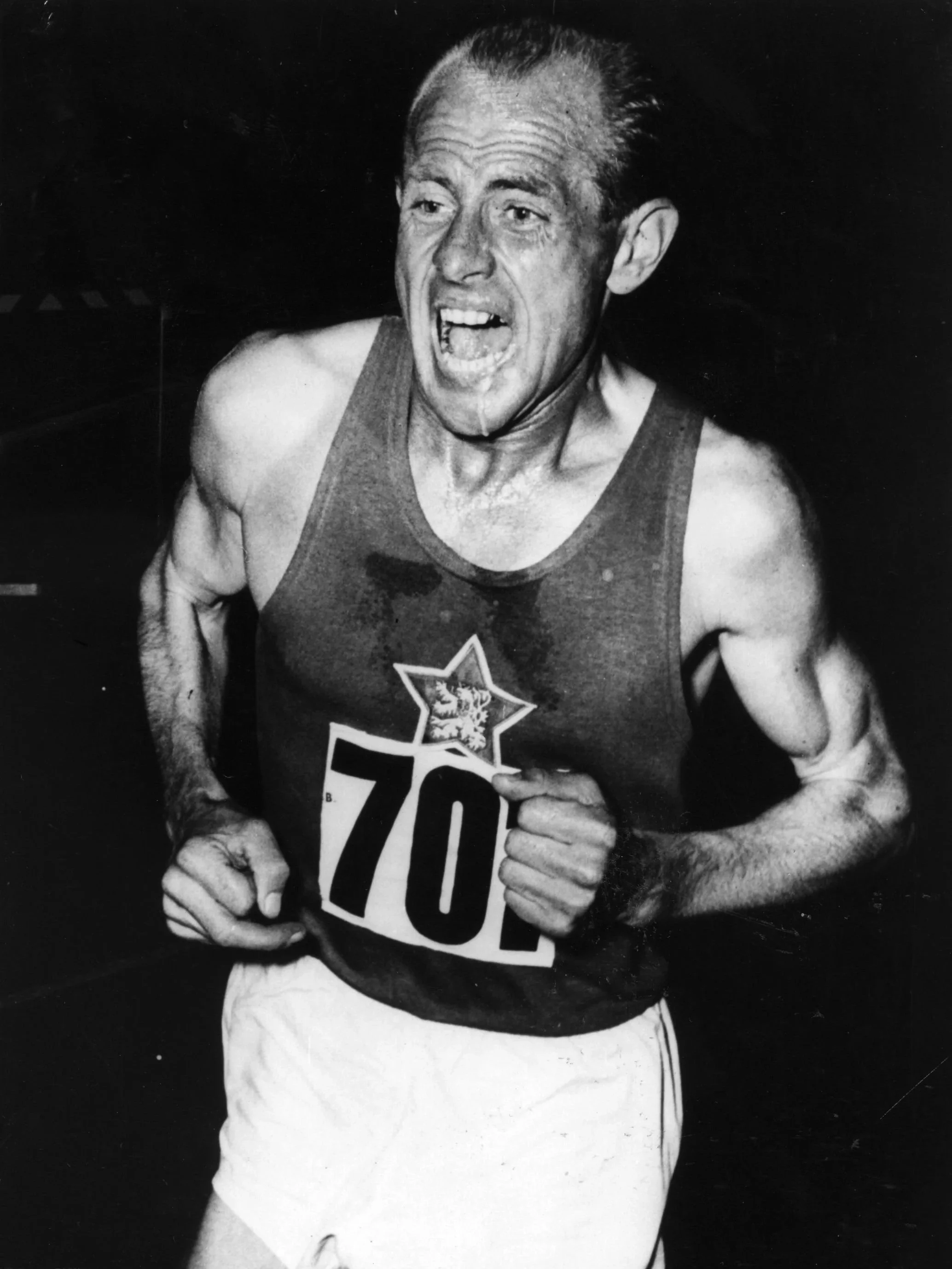
Courir (2014) is Echenoz’s fictionalized biography of legendary distance runner Emil Zátopek, the Czech athlete who dominated long-distance running in the 1950s. Rather than a straightforward biography, Echenoz creates a portrait that blends fact and fiction, following Zátopek’s training regimens, his relationship with his wife, and his political complexities during the Cold War. The novel is formally precise, sometimes austere, but it is also funny—Echenoz finds comedy in obsession, dedication, and the peculiar intensity of the athlete’s mind. The prose moves with the pace of a runner: direct, rhythmic, and relentless.
Echenoz’s novel raises questions about dedication, fame, authenticity, and what it means to push the human body to its limits. It is a book about performance, the body, and the paradoxical relationship between discipline and freedom. Written in characteristically precise prose and infused with quiet humor and humanity, Courir demonstrates why Echenoz remains one of the most respected voices in contemporary French literature.