 Image 1 of 1
Antoine-François Prévost (1697-1763) was a French novelist and clergyman whose works explored passion and desire with a frankness that shocked his contemporaries. L’Histoire du chevalier des Grieux et de Manon Lescaut, published in 1731, became an instant scandal—and a masterpiece—precisely because Prévost refused to condemn his characters or judge their choices. He wrote not as a moralist but as a psychologist of passion, and that refusal to judge is what gives the novel its extraordinary power. His prose is elegant and direct, emotionally honest in a way that feels completely modern.
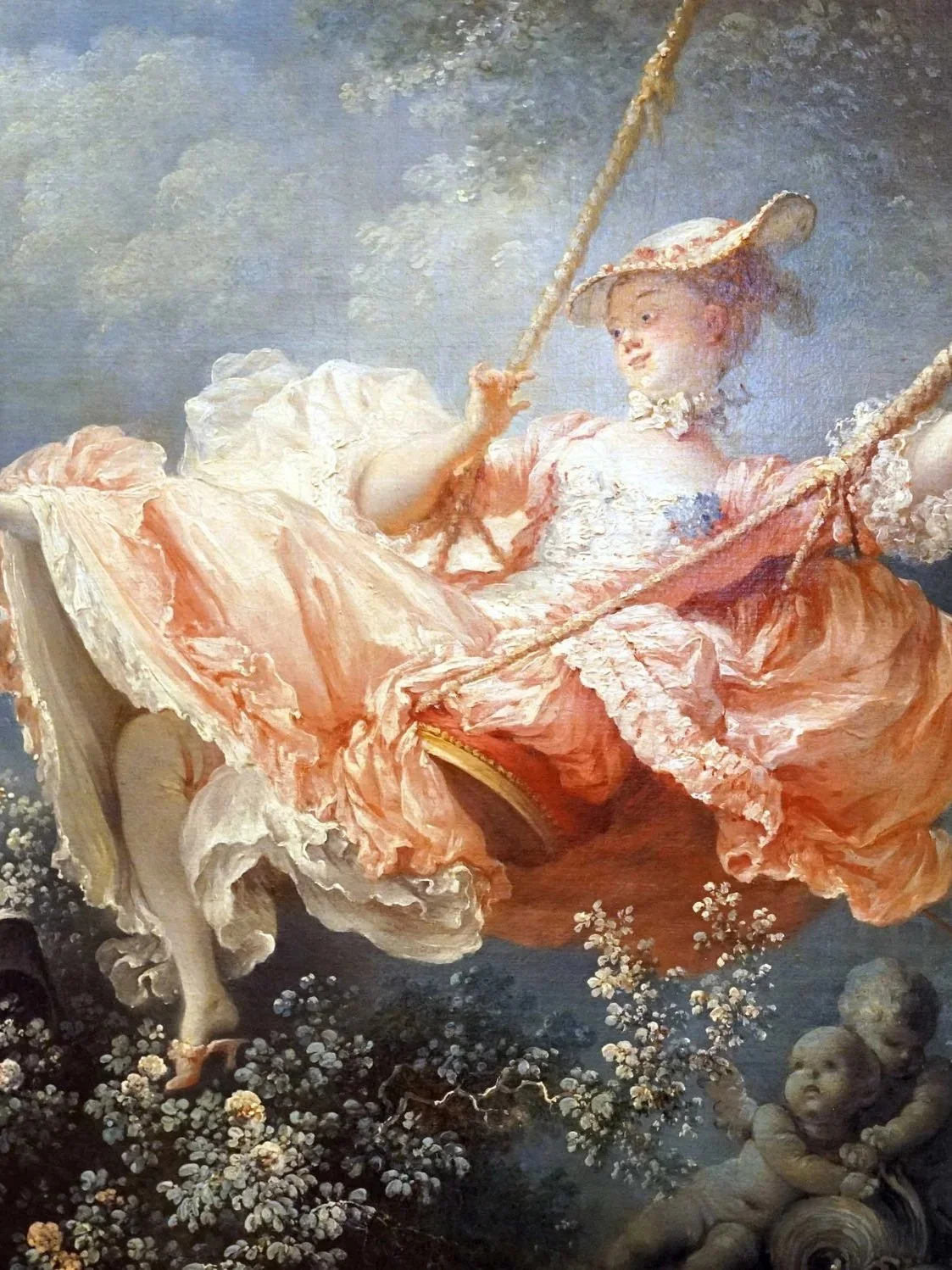
The novel is narrated by the Chevalier Des Grieux, a young nobleman who recounts his all-consuming love affair with Manon. She is not a victim and not a villain—she is capricious, loving, selfish, generous, cruel, and genuine all at once. She cannot be saved or reformed or truly understood. The novel follows their doomed trajectory across France and even to Louisiana as Des Grieux attempts again and again to rescue her from herself, losing everything in the process. What makes the novel so powerful is that we don’t stand outside judging Des Grieux's choices; we are mere witness of their passion and we somehow understand why he cannot leave her.
This reading offers a refreshing 18th century breeze, but beyond the book itself, Manon has become a magnificent character and a model. The novel has inspired operas, ballets, and films because its exploration of love—its beauty, its madness, its destructiveness, its inevitability—remains timeless. But the novel itself is where the real power lives: it's a book about how love can destroy us and why we choose to be destroyed anyway.