Édouard Louis, En finir avec Eddy Bellegueule
Our Reading Journey
We confronted the brutal, unvarnished reality of the other France—the industrial ruins of Picardy, where poverty, alcoholism, and violence form the invisible walls of a social prison. Our discussion followed the harrowing transformation of the protagonist from Eddy, the vulnerable and bullied gay boy, into Édouard, the Parisian intellectual. We analyzed this not as a simple success story, but as a sober and precise execution of the past, where the act of writing becomes a means to “finish off” a former self.
We delved into the profound influence of autofiction and Annie Ernaux, noting how Louis utilizes the autosocio-biographie style to prove that his trauma was not an individual accident but the result of an implacable social determinism.
The intellectual heart of our session was the profound ambiguity of Eddy’s salvation. We debated the stinging contradiction that Louis is essentially rescued by the Parisian bourgeoisie—the very class whose indifference created the vacuum of his childhood. We explored how this class defection requires a necessary betrayal, in which the author must adopt the codes and language of the enemy in order to be heard. Drawing on Pierre Bourdieu’s theories, we discussed how the narrator eventually views his parents not as villains, but as victims of a system that crushed them first. We concluded that the novel is a complex study of social reproduction, where the forgiveness of one's origins is only possible from the safe, distant height of an elite intellectual life.
About the Author
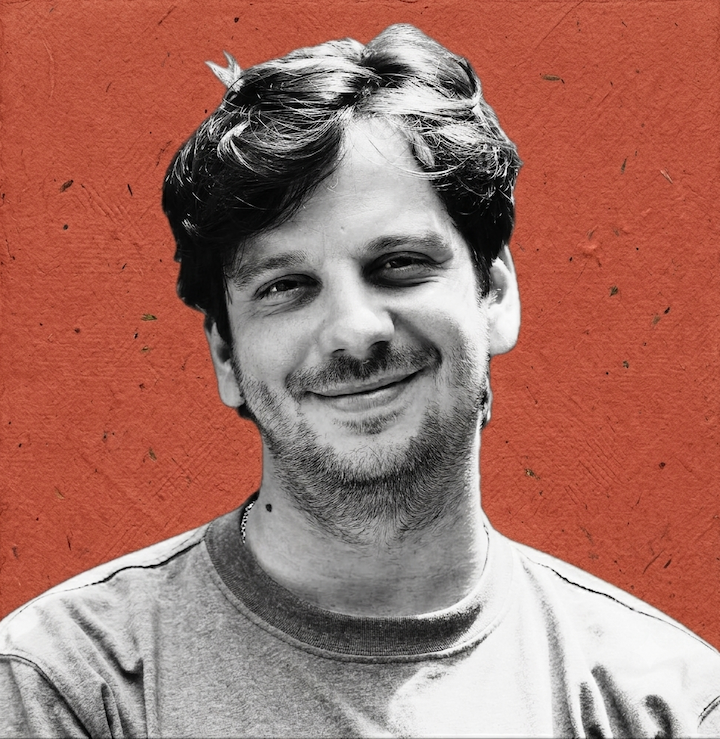
Édouard Louis (b. 1992) became a polarizing and essential figure in French literature at just twenty-one years old. A protégé of the philosopher Didier Eribon and deeply influenced by the “flat” sociology of Annie Ernaux, he embodies a new generation of class defectors (transfuge de classe or transclasse) who reject the meritocratic dream in favor of a structural critique of power. His writing is violent, precise, and deeply committed to exposing the mechanics of domination, cementing his place as the modern heir to the tradition of littérature engagée.