Clara Dupont-Monod S’Adapter
Our Reading Journey
In the Spring of 2021, we gathered to discuss this luminous and sensitive story set in the protective heights of the Cévennes mountains. S’adapter is the story of a child born different—motionless, with wandering eyes and inert limbs. Our discussion focused on how this disability narrative is unique in its refusal of pathos, shifting the gaze away from the medical and toward the relational.
The child draws an invisible line between his family and the world, redefining the roles of his brothers and sister. We analyzed the tripartite perspective of the siblings: the eldest, who merges with the child in a self-sacrificing bond; the sister, who harbors a vital, protective anger; and the youngest, who must navigate a landscape haunted by family ghosts.
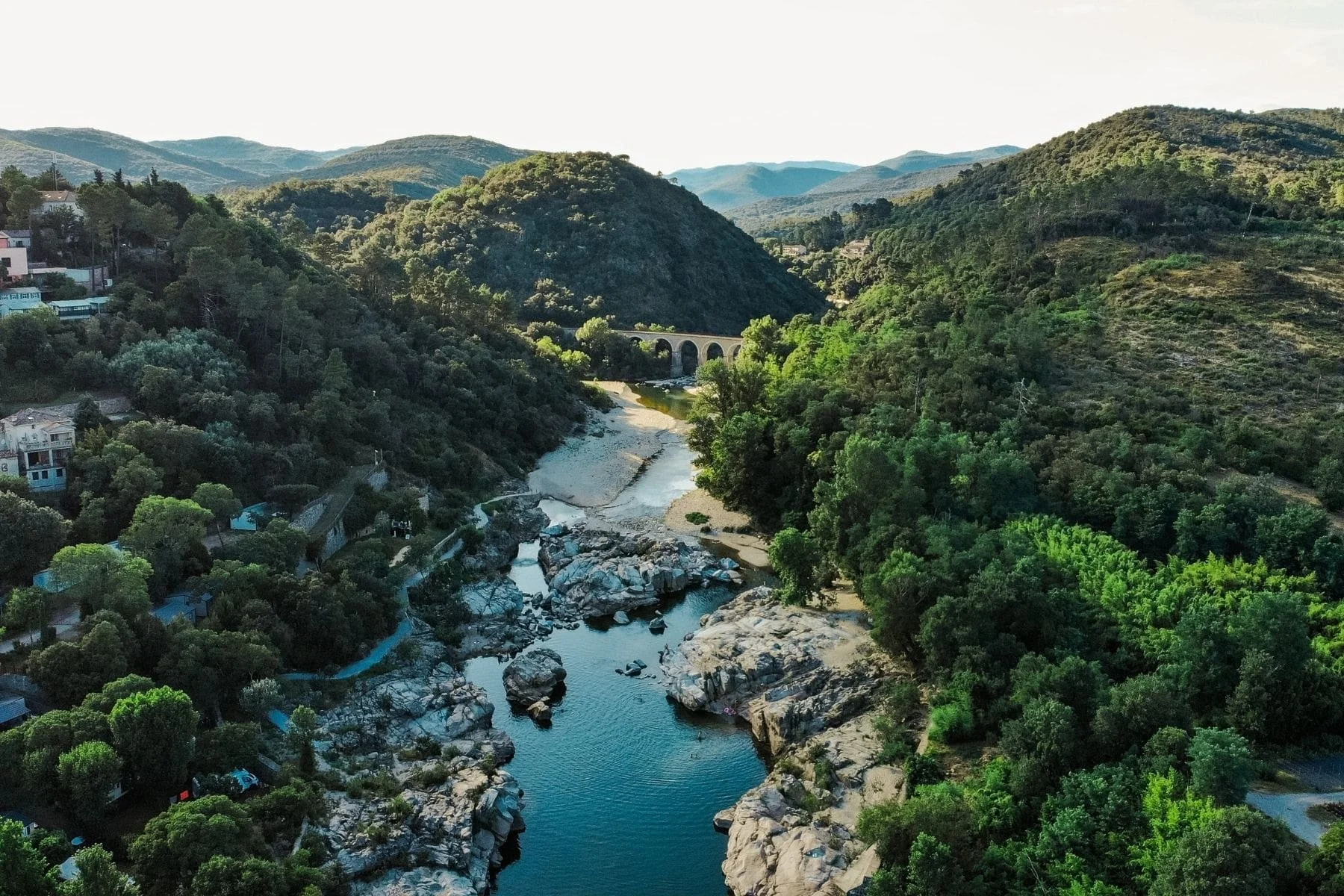
The intellectual highlight of our session was the novel’s geological polyphony. We explored the bold narrative choice to have the stones of the Cévennes act as the witnesses and narrators of the story. This "mineral gaze" allows the novel to transcend the purely autobiographical, turning a family story into a universal myth. We debated the Calvinist influence on the text—noting the themes of grace and resilience—while acknowledging how the rugged landscape serves as both a fortress and a mirror for the family's internal struggles. It was a profound exploration of how a life lived at the margins of ability can become the catalyst for an extraordinary, albeit painful, expansion of the human heart.
About the Author
Clara Dupont-Monod (born in 1973) is a distinguished French journalist, medieval historian, and novelist. After a series of acclaimed historical novels, she turned toward a more personal, mythic style with S’Adapter (2021). Drawing on her own history and her roots in a prominent French Protestant family, she crafted a narrative that is both a precise psychological study and a timeless tale. The novel was a critical and commercial phenomenon, winning the Prix Femina, the Prix Landerneau, and the Prix Goncourt des lycéens, cementing her place as a master of the contemporary French "sensitive" novel.