Pierre Lemaître, Travail soigné
Our Reading Journey
Our session followed Commandant Camille Verhoeven through his first case: a serial killer stalking Paris who stages each murder as a precise reproduction of a scene from a famous crime novel, Bret Easton Ellis, James Ellroy, and others, rearranged into real bodies. Verhoeven, a small man with a sharp eye and a painter's instinct for detail whose father was an artist, needs a bookseller and a professor of crime fiction just to keep up with what he's looking at. The case turns personal fast. The killer, a failed writer named Buisson, begins directing the investigation toward Camille himself and toward his pregnant wife, Irène. We won't spell out how far that goes. What we will say is that the title, Travail soigné, meaning something close to careful work or a job well done, reads very differently by the final chapters than it does on the first page.
We spent most of the discussion on the novel's central trick: the killer is copying crime fiction the way Lemaitre himself is writing crime fiction, and the book never lets you forget it. Buisson steals murders instead of inventing them, which makes him a counterfeit artist next to the real one holding the pen. By the last chapters, Camille discovers his investigation has already been written down in a manuscript he hasn't read yet, his choices scripted in advance by the very novelist he's chasing. We talked about what that does to a reader who has spent three hundred pages enjoying the same violence Camille is horrified by. Lemaitre builds a trap and puts us in it alongside his detective, and getting out of it honestly is harder than solving the case.
About the Author
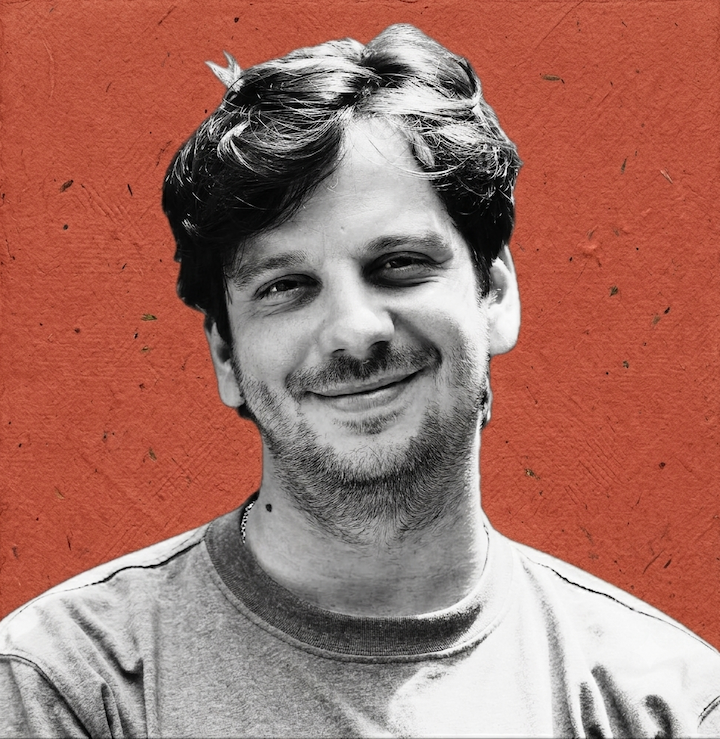
Pierre Lemaître was born in Paris on 19 April 1951 and spent decades working as a trainer in professional literature courses before turning to fiction full-time. Travail soigné, published in 2006, was his first novel and won the Prix du Premier Roman at the Cognac crime fiction festival that year; it introduced Commandant Camille Verhoeven and was later translated into English as Irène. The two sequels that completed the Verhoeven trilogy, Alex and Camille, each won the CWA International Dagger, Britain's top prize for crime fiction in translation. Lemaître left the polar behind, at least in setting, for Au revoir là-haut in 2013, a novel about two soldiers scamming their way through the aftermath of the First World War, which won the Prix Goncourt that November and was adapted into a film by Albert Dupontel in 2017. He completed that wartime trilogy with Couleurs de l'incendie in 2018 and Miroir de nos peines in 2020, then opened a new one, set in the 1950s, with Le Grand Monde in 2022.